

Drug misuse in Kenya is widespread and continuously evolving, ranging from alcohol and traditional substances like cannabis and khat, to emerging synthetic drugs and the growing misuse of prescription medication. High learning institutions reflect this shift, with an increasing prevalence of discreet and normalized substance use, often introduced through social settings or peer influence.
In Kiambu County, alcohol remains the most widely used substance, contributing significantly to health and social concerns across both rural and urban areas. Its accessibility and cultural normalization have made it a primary entry point for many young people into substance use.
A United Front for Prevention and Recovery
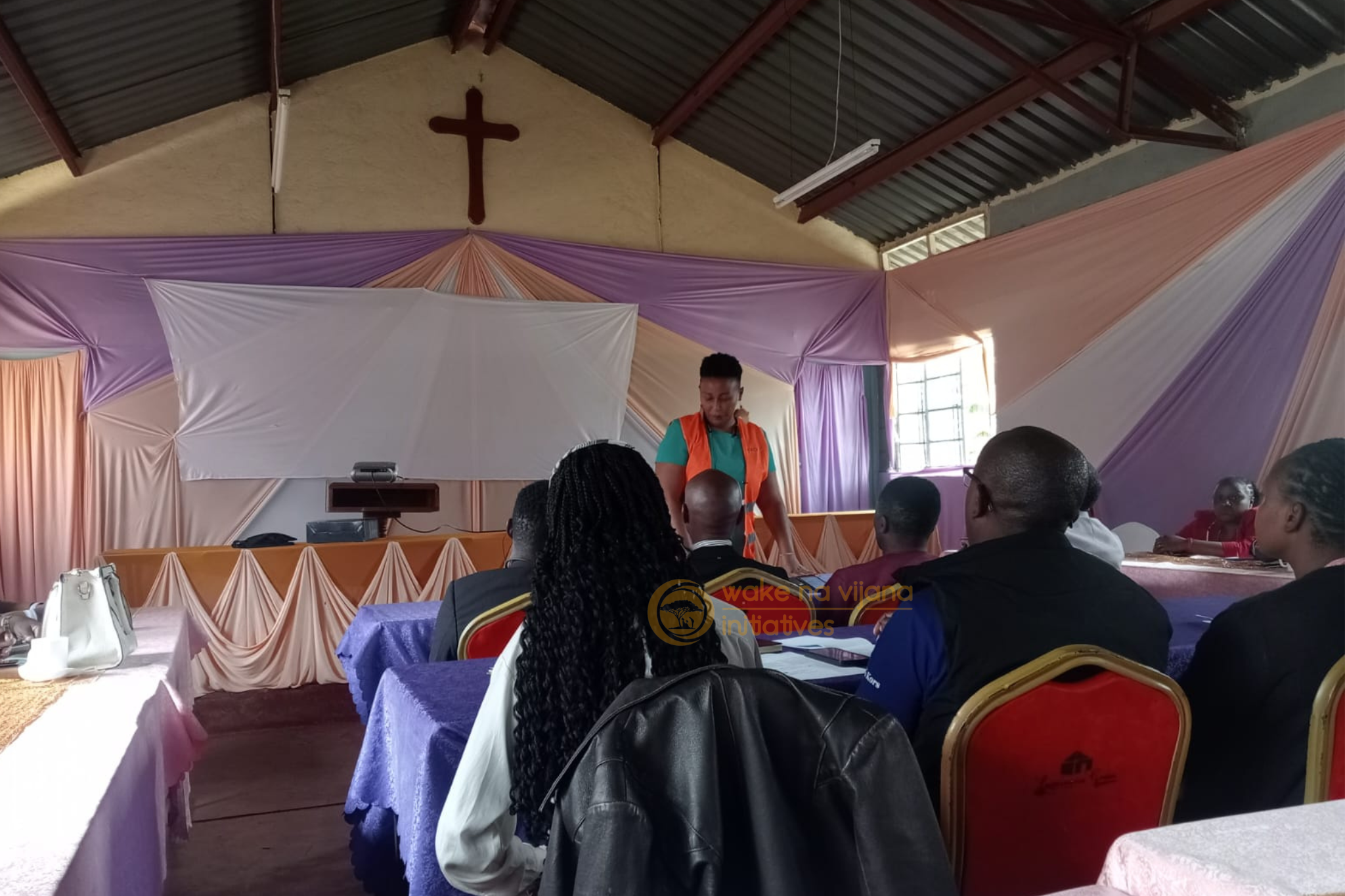
On 31st July 2025, we had the privilege of participating in a substance use prevention session held at ACK St. Paul’s Church in Kiambu Town. Convened under the Church Leaders Forum, Kiambu County, the session brought together faith leaders, government agencies, and recovery-focused organizations to strengthen community-led approaches to prevention and recovery.
The event, hosted by Graceful Youth Recovery Centre (GYRC) in partnership with Blue Cross Kenya (BCK), served as a call to action for the faith community. Church leaders from across the county were encouraged to move beyond spiritual care and take a more proactive role in awareness creation, early intervention, and support for individuals and families affected by substance use.
During the session, BCK facilitated insightful conversations on evidence-based prevention and community engagement, emphasizing the vital role of faith institutions in advocacy and collaboration with county systems.
Contributions from NACADA Kenya, the County Government, and local administration highlighted the importance of integrating policy and sustaining community-driven solutions. Stakeholders reiterated that churches must not only offer spiritual guidance but also take an active part in prevention and recovery initiatives.
The Role of the Church in Substance Use Prevention
The session highlighted the Church’s unique position as a trusted, accessible, and influential institution. With its reach into nearly every corner of society, the Church can act as a first responder, identifying early signs of substance use, offering support, and advocating for policy change and funding for recovery services.
We believe in the power of partnership, purpose, and people. Events like this reinforce our commitment to empowering communities through collaboration and holistic approaches to youth wellness and development.
Looking Ahead
This session marked a vital step forward in our future engagement with the youth on substance use. It not only highlighted the critical role of faith leaders and community institutions but also underscored the need for consistent, youth-centered interventions.
We remain committed to deepening our partnerships with faith-based organizations, government agencies, and local communities. We aim to scale up prevention efforts by organizing more interactive forums, school outreach programs, and capacity-building sessions that equip young people with accurate information, life skills, and supportive networks.
We recognize that combating substance use among youth requires more than one-time conversations, it demands sustained, inclusive action that addresses root causes such as unemployment, trauma, and lack of access to safe spaces.